
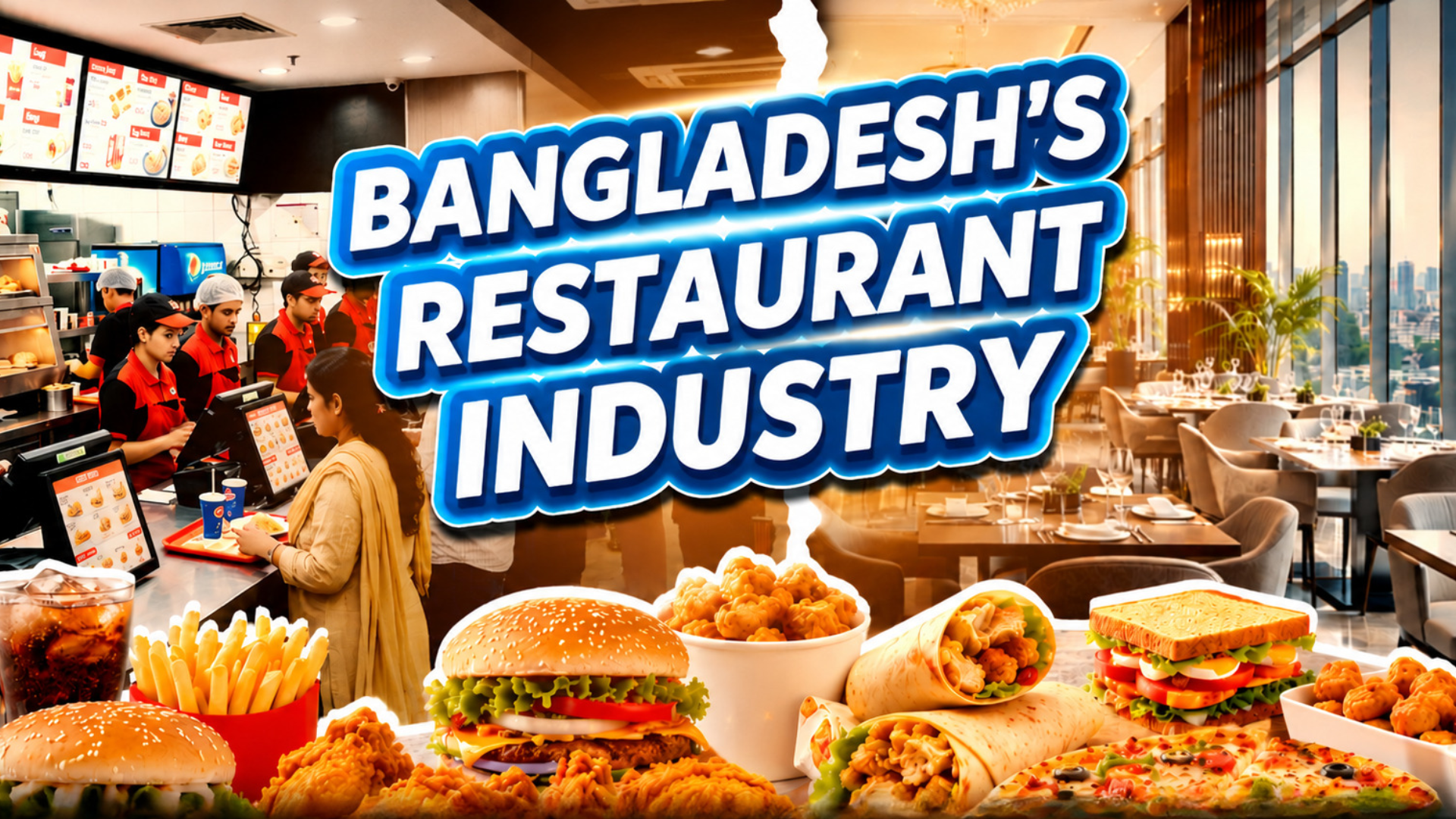
Over the past decade, Bangladesh has experienced significant changes in lifestyle and consumer culture, and one of the sectors most influenced by these changes is the restaurant industry. Going out to restaurants to celebrate birthdays, socialize after office hours, enjoy dinner with family, or try a new trending café has become a regular part of life for millions of Bangladeshis. However, behind every meal served at a restaurant lies much more than a food service business. It represents an entire industry that is expanding rapidly. Driven by the growing middle and affluent classes, increasing purchasing power, and rising interest among new entrepreneurs, Bangladesh’s restaurant sector has experienced substantial growth. At the same time, a strong business ecosystem has developed around restaurants, involving suppliers, technology providers, delivery platforms, investors, and various other stakeholders. This article examines Bangladesh’s rapidly expanding restaurant industry, its development, economic contributions, business opportunities, and the challenges shaping its future.
Overview
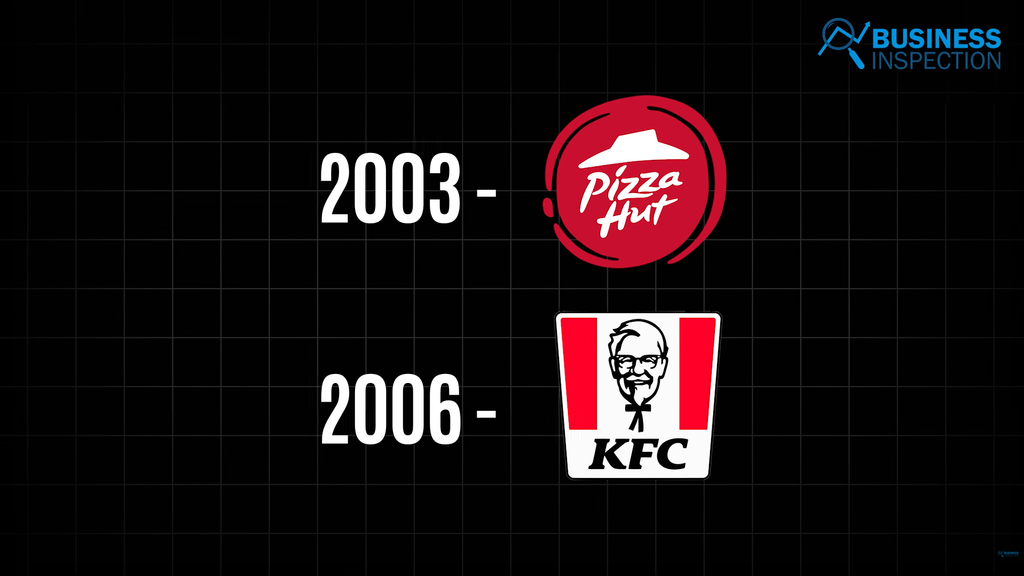
Food has always played an important role in the history and culture of Bangladesh, where people have long been known for their appreciation of different cuisines. For centuries, sweet shops and traditional rice hotels have operated across different parts of the country. However, reliable information about exactly when modern restaurant culture first emerged in Bangladesh remains limited. According to a report published by The Business Standard, Café China, established by a Chinese couple in Segunbagicha, Dhaka, during the 1960s, was the country’s first Chinese restaurant. Another report published by The Daily Star indicates that Dhaka’s restaurant culture during the 1960s was primarily concentrated in Old Dhaka. However, establishments such as Chu Chin Chow, Kasbah, La Sani, Sakura Restaurant, Beauty Boarding, Haji Biriyani, Shainu Pahlwan, Rex, and Flamingo Restaurant gradually became popular dining destinations. Through these establishments, Chinese cuisine, kebabs, biryani, confectionery, and café culture gained popularity among consumers. Meanwhile, in 1988, American Fried Chicken (AFC) began operating in Dhaka under Indigo Corporation. Although several reports have described AFC as Bangladesh’s first fast-food restaurant, the company’s website identifies it as one of the country’s early fast-food chains. During the 1990s, Bailey Road in Dhaka became a major center of fast-food culture. However, the arrival of Pizza Hut in 2003 and KFC in 2006 accelerated the popularity of global fast-food chains in Bangladesh.
Over time, several areas of Dhaka have developed into major restaurant hubs. Modern small restaurants and fast-food culture have also expanded beyond major cities, reaching district towns, upazilas, and even many rural communities. Urbanization, changing food habits, rising disposable incomes, and growing demand for convenient dining experiences have been among the primary drivers of this expansion. Alongside traditional restaurants, cafés, bakeries, quick-service restaurants (QSRs), food courts, catering services, cloud kitchens, and delivery-based businesses have become important components of Bangladesh’s restaurant industry.
According to a report published by IDLC Finance, Bangladesh’s restaurant and food service market was valued at approximately USD 3.79 billion in 2024 and is projected to reach USD 7.47 billion by 2029, growing at a compound annual growth rate (CAGR) of 14.50%. Meanwhile, according to data from the Bangladesh Bureau of Statistics (BBS), the country had more than 436,000 hotels and restaurants, representing an increase of approximately 58% compared with the 2009–10 fiscal year. The report further highlights that the restaurant industry is no longer limited to restaurant operations alone. It also contributes significantly to the development of several other sectors, including agriculture, food processing, logistics, packaging, technology, and retail. In the 2019–20 fiscal year, the restaurant industry contributed approximately BDT 39,000 crore to Bangladesh’s GDP. During the same period, the industry’s annual turnover reached approximately BDT 1,00,180 crore, almost three times higher than a decade earlier.
Bangladesh’s Restaurant Industry
What’s Driving Market Growth
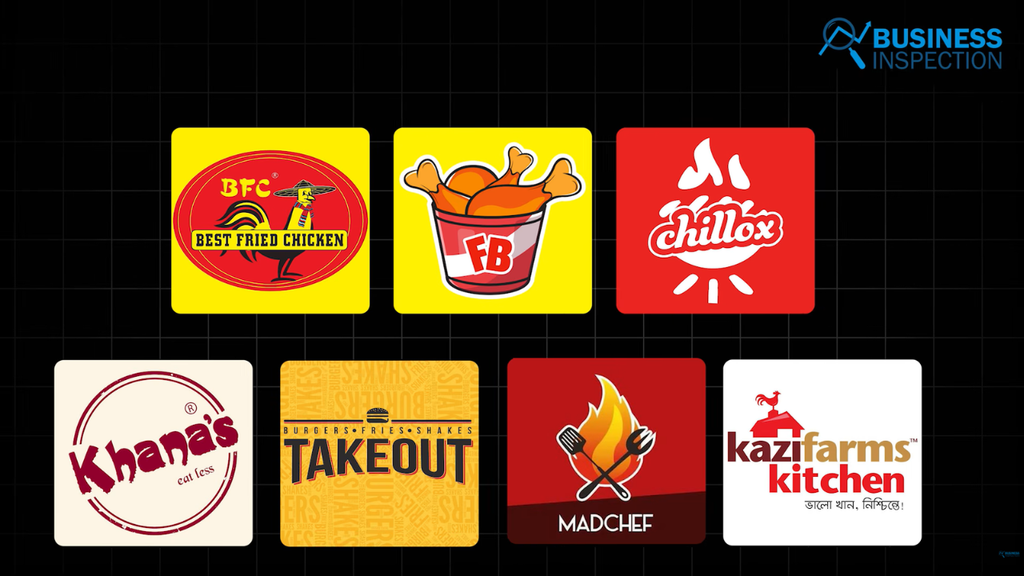
One of the biggest factors behind the rapid expansion of Bangladesh’s restaurant industry is the country’s young consumer population. Currently, more than 65% of Bangladesh’s population is under the age of 35. For these consumers, restaurants are no longer simply places to eat. They have also become part of socializing, content creation, and lifestyle experiences. Research indicates that approximately 68.1% of college students in Bangladesh regularly consume fast food. Moreover, demand for frequent restaurant visits among young consumers continues to increase. This growing demand is also encouraging many new entrepreneurs to enter the restaurant business. Currently, independent restaurants account for the largest share of establishments in Bangladesh’s restaurant market. However, organized restaurant chains are introducing new standards in food quality, service, and customer experience. Alongside international brands such as KFC, Pizza Hut, and Domino’s, local brands including BFC, Fry Bucket, Chillox, Khana’s, TakeOut, Madchef, and Kazi Farms Kitchen are gaining popularity rapidly. Buffet restaurants have also experienced growing demand across the country, ranging from budget-friendly dining options to luxury buffets at five-star hotels. At the same time, different business models, including QSRs, cafés, and cloud kitchens, are reshaping the industry. According to a report published by Dhaka Tribune, Bangladesh’s quick-service restaurant market was valued at approximately USD 1.75 billion in 2024. The market is projected to reach nearly USD 3 billion by 2032, expanding at an annual growth rate of 7.1%.
Technology Becomes the New Operating Layer
Over the past decade, the use of technology in Bangladesh’s restaurant industry has increased rapidly. Online ordering, digital payments, and food delivery platforms have significantly changed how restaurants operate and serve their customers. Platforms such as Foodpanda, Pathao Food, and Foodi now allow restaurants to reach a much larger customer base with greater convenience. Meanwhile, digital payment systems have made financial transactions easier and more accessible. At the same time, cloud kitchens are gaining popularity across Bangladesh, with a projected growth rate of approximately 18.24%. Lower operating costs, the ability to manage multiple brands from a single kitchen, and the flexibility to modify menus quickly according to customer demand have made the cloud kitchen business model particularly attractive to new entrepreneurs.
A Major Employment Engine
Currently, approximately 481,000 restaurants employ around 3 million people across Bangladesh, representing a significant increase compared with a decade ago. Consequently, the restaurant industry has become an important source of income for millions of families. An analysis of various industry reports indicates that restaurant employees collectively receive approximately BDT 31,429 crore annually in salaries and other employment benefits. These earnings also make an important contribution to Bangladesh’s broader consumer economy.
Digital Marketing Takes Center Stage
Marketing in Bangladesh’s restaurant industry is no longer limited to traditional advertising and promotional activities. It has become one of the most important tools for building restaurant brands. Social media platforms such as Facebook, TikTok, and Instagram now serve as major channels for attracting new customers. Alongside food quality, factors such as branding, packaging, service, customer experience, and digital content are receiving increasing attention throughout the industry. As competition continues to intensify, restaurants are also placing greater emphasis on building long-term customer relationships through loyalty programs, seasonal offers, customer feedback, and the use of digital customer data.
The Business Behind the Kitchen
For thousands of young Bangladeshis, opening a café, fast-food outlet, or fine-dining restaurant represents an opportunity to achieve financial success. Every year, many new entrepreneurs enter the restaurant industry with these ambitions. However, the business reality is often very different from their expectations. Numerous restaurants close within their first year of operation, while many others continue operating at a loss for several years. Poor food quality is not the only reason behind these failures. Weak financial management often plays an even more significant role. A restaurant’s success does not depend solely on generating sales. Efficiently controlling raw material expenses, labor costs, rent, utilities, technology expenses, marketing costs, delivery commissions, equipment maintenance, and administrative expenses is equally important. To become profitable, a restaurant must also move beyond its break-even point (BEP) and generate a satisfactory return on investment (ROI). Additionally, location, pricing, customer volume, operational efficiency, and brand strength directly influence profitability. However, challenges such as inflation, rising rents, import dependency, currency fluctuations, supply chain disruptions, and poor inventory management make it increasingly difficult for many independent restaurants to survive.
Why Chain Restaurants Scale Faster
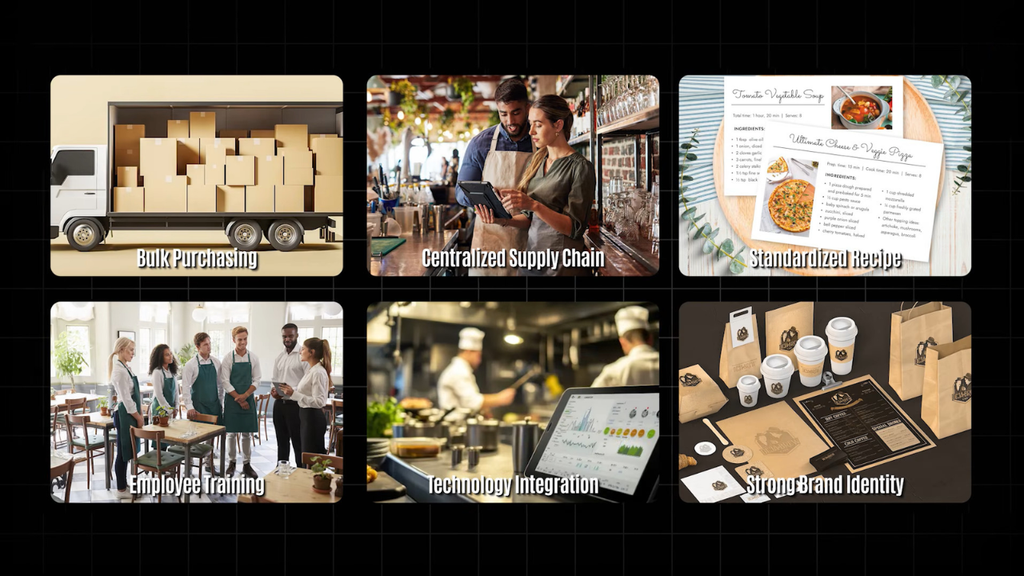
The situation is considerably different for chain restaurants. Over the past decade, several local and international restaurant chains have established strong positions in Bangladesh’s market. Today, the biggest distinction between chain restaurants and independent restaurants lies in their operational systems. Through bulk purchasing, centralized supply chains, standardized recipes, employee training, technology integration, and strong brand identities, restaurant chains can operate more efficiently at lower costs while expanding into new locations more easily. In contrast, the expansion, quality control, and financial planning of most independent restaurants depend heavily on the individual decisions of their owners. Local restaurant brands such as Khana’s, Kudos, and Chillox have demonstrated how professional management, scalable processes, and effective branding can help Bangladeshi businesses develop into successful restaurant chains.
The Push for Better Compliance
As Bangladesh’s restaurant industry continues to expand, the importance of safety and regulatory compliance has grown significantly. Fire safety, food hygiene, employee safety, structural safety, and consumer protection are no longer simply matters of legal compliance. They are directly connected to a restaurant’s long-term success, customer trust, and brand reputation. The devastating fire on Bailey Road on February 29, 2024, exposed major safety deficiencies within the industry. According to the Bangladesh Restaurant Owners’ Association (BROA), among approximately 25,000 restaurants in Dhaka, only around 5,000 are officially registered. Additionally, among approximately 250,000 restaurant workers, only around 5% have received fire safety training, while many restaurants still lack adequate fire suppression systems. Following the Bailey Road tragedy, several restaurants began taking steps to implement improved fire safety measures and other safety standards. However, a significant portion of Bangladesh’s restaurant industry continues to lack sufficient awareness and preparedness regarding these requirements. More recently, the industry has also faced renewed discussions surrounding the existing 5% value-added tax (VAT) on restaurant services and 15% VAT on catering services. In response, BROA has demanded a uniform 5% VAT rate for both categories, the withdrawal of proposed taxes on essential commodities, and easier access to financing for restaurant businesses.
Bangladesh’s restaurant industry is now entering a new phase of development, where success will depend not only on serving quality food but also on technological capabilities, operational efficiency, and understanding consumer behavior. Globally, artificial intelligence is already helping restaurants improve demand forecasting, inventory management, personalized marketing, and operational decision-making. At the same time, automation, delivery-first business models, and data-driven operations are rapidly becoming new industry standards. Sustainable packaging, efficient resource management, food waste reduction, and the integration of local food culture with professional business systems are also receiving greater attention. Consequently, restaurants that can establish strong brands, maintain financial discipline, implement standardized processes, adopt modern technologies, and develop scalable management systems will be better positioned to lead the next phase of growth in Bangladesh’s restaurant industry.







Leave a Comment