
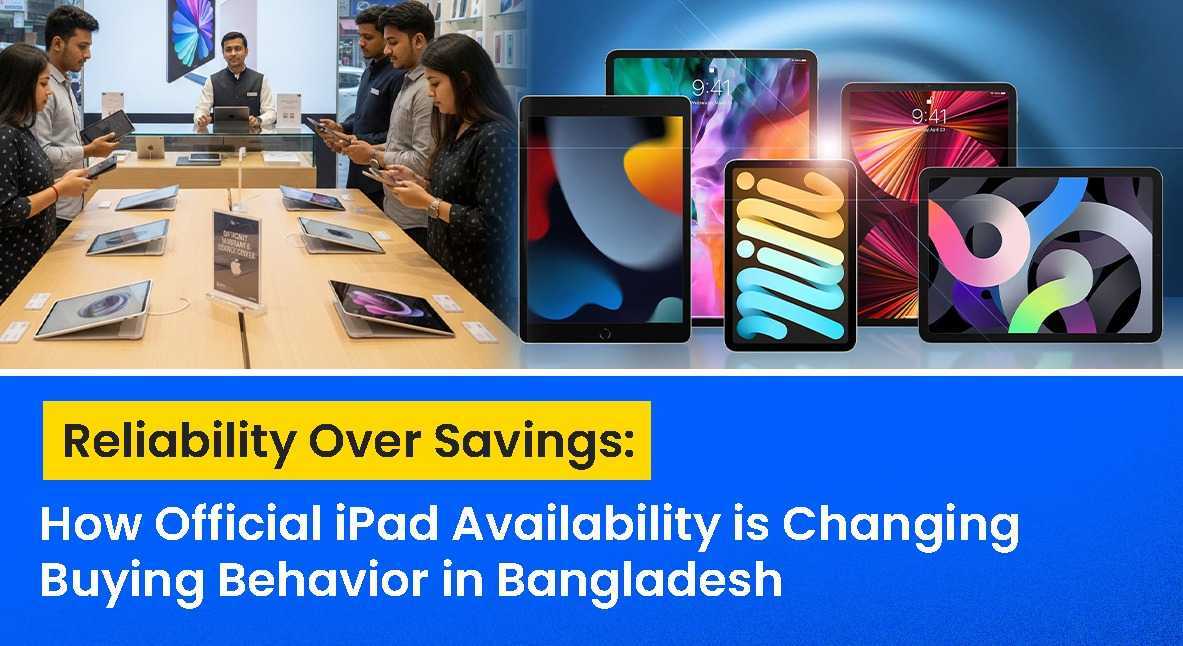
The technology landscape in Bangladesh is undergoing a significant transformation. For years, the premium tablet market was dominated by “grey market” imports—devices brought into the country through unofficial channels, often without tax compliance or valid warranties. However, a noticeable shift in consumer psychology is now visible. As iPads evolve from mere entertainment gadgets into essential productivity tools for students, artists, and corporate professionals, the demand for official availability is reshaping the local retail ecosystem.
The Shift from Price-Sensitivity to Value-Sensitivity
Historically, the Bangladeshi consumer was predominantly price-sensitive, often willing to overlook the lack of a warranty for a lower price tag. However, as the iPad has become a critical companion to the MacBook for professional workflows, the stakes have become higher. Modern buyers are increasingly “value-sensitive,” recognizing that a high-end tablet is a long-term financial investment rather than a disposable gadget. The availability of official iPad through authorized retail channels like Star Tech now ensures that users receive a device with a Valid Purchase Date and a full Official Brand Warranty. This peace of mind—knowing that a hardware malfunction won’t result in a total financial loss—is becoming a more powerful motivator than the marginal savings offered by unofficial vendors.
The Erosion of “Box-Only” Trust
In previous years, a sealed box was considered sufficient proof of a new device. The grey market, however, has eroded this trust with the prevalence of re-sealed boxes and refurbished units passed off as brand new. This has led to a new behavior in the retail experience where transparency is a key requirement. Trusted and popular retailers, such as Star Tech, have responded by integrating real-time verification into the purchase process. Customers now frequently verify a device’s serial number on the manufacturer’s official portal before finalizing a transaction. This shift toward verification-based buying has made consumers more skeptical of small, unofficial shops and more reliant on established retail giants that provide a verifiable paper trail of authenticity and proper VAT invoices.
The Ecosystem Effect and Professional Uptime
The rise of the “Smart Bangladesh” vision has spurred a generation of digital creators who rely on a seamless “ecosystem” of devices. For these professionals, the integration between a MacBook, iPad, and iPhone is not a luxury but a necessity for productivity. Consequently, “downtime” caused by hardware failure has become a major economic risk. Official availability ensures immediate access to the latest hardware, such as the iPad Pro M5, along with genuine accessories like the Apple Pencil. By ensuring these products are sourced through legal, official channels, the local market is moving toward a more professional tech culture where reliability and official support are prioritized over the high-risk gamble of the grey market.
After-Sales Security as a Standard Requirement
Perhaps the most significant change in buying behavior is the new expectation for standardized after-sales service. In the unofficial market, a cracked screen or a battery issue often meant handing a high-value device to an uncertified technician, risking further damage. Today’s buyers increasingly recognize that an official iPad comes with the backing of a global service network. Retailers like Star Tech provide Apple International Warranty, which essentially offers a form of insurance, and this has forced the entire retail ecosystem in Bangladesh to elevate its standards of accountability. Authenticity is no longer just a preference; it has become a prerequisite for the modern tech consumer.







Leave a Comment